
Dark spots are one of the most common changes people notice on their skin over time. They appear as areas that are darker than the surrounding skin and can develop slowly or suddenly depending on different factors. Although dark spots are usually harmless, they often attract attention because they affect the evenness of skin tone and Dark Spots overall appearance. Understanding how and why they form helps people care for their skin with more confidence and patience.
The primary reason dark spots develop is an increase in melanin, the pigment that gives skin its natural color. Melanin acts as a protective shield, especially when skin is exposed to sunlight. When the skin receives frequent or intense sun exposure, it may produce extra melanin in certain areas. Over time, this uneven production can lead to visible dark patches, particularly on the face, neck, hands, and other exposed areas. This process does not happen overnight, which is why dark spots often become more noticeable with age.
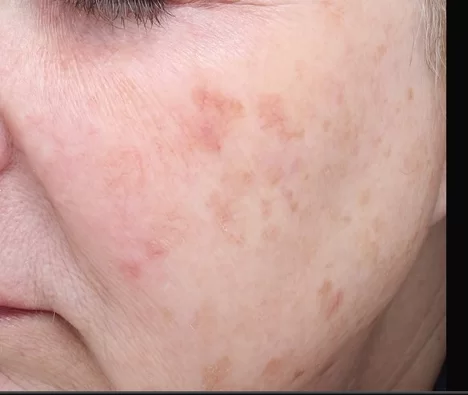
Another important factor behind dark spots is skin inflammation. When the skin experiences acne, rashes, insect bites, or minor injuries, it goes through a healing process. In some cases, this healing leaves behind darker marks. These marks can last longer than expected, especially if the skin is irritated repeatedly or not allowed to heal properly. Gentle skin care and avoiding unnecessary friction can help reduce the chance of lingering discoloration.
Hormonal changes also play a role in skin pigmentation. During certain life stages, such as teenage years, the body undergoes internal changes that can affect how melanin is distributed. These changes may trigger dark patches, particularly on the face. Environmental factors, including pollution and exposure to harsh weather, can further stress the skin and contribute to uneven tone over time.
Daily habits strongly influence skin health as well. Lack of sleep, dehydration, poor nutrition, and high stress levels can slow down the skin’s natural repair process. When the skin struggles to renew itself efficiently, discoloration may become more noticeable. A balanced routine that includes proper rest, hydration, and nourishing foods supports the skin’s ability to maintain a more even appearance.
It is important to remember that dark spots are a natural skin concern and not a flaw. Skin reflects a person’s lifestyle, environment, and experiences. While some dark spots fade gradually, others may remain as part of the skin’s unique pattern. Paying attention to sudden or unusual changes is wise, but most dark spots are simply a sign of how the skin responds to the world around it.
In the end, dark spots tell a story about protection, healing, and change. With awareness and consistent care, the skin can remain healthy and resilient. Embracing patience and understanding allows individuals to focus not just on appearance, but on overall skin well-being.
